Affordable Hackney rubbish collection for Dalston shops
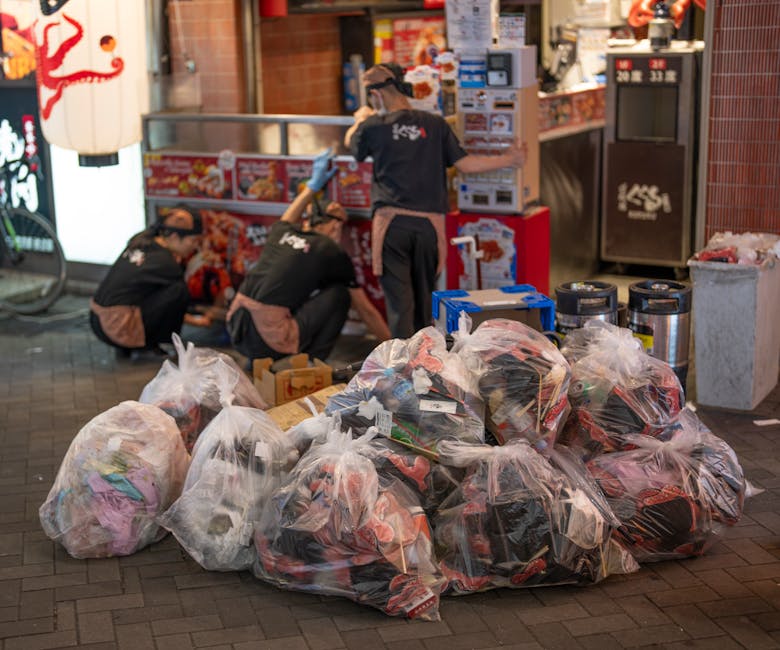
Running a shop in Dalston means your waste can build up fast. Cardboard from deliveries, broken display items, packaging, old stock, food waste from a cafe corner, and the occasional bulky item all have a habit of appearing at the worst possible moment. Affordable Hackney rubbish collection for Dalston shops is really about keeping that mess under control without paying for more than you need. It should be quick, dependable, and flexible enough for real shop life - not a service that gets in the way of serving customers.
In this guide, we'll look at how shop rubbish collection works, what affects price, how to stay compliant, and how to choose a sensible waste solution that fits the rhythm of Dalston trading. If you need a clearer picture of business waste options, it can also help to compare them with business waste removal and broader waste removal services. Let's keep it practical.
Quick takeaway: The cheapest rubbish collection is not always the best value. For Dalston shops, the real win is a service that clears waste on time, avoids disruption, and handles the right waste streams properly.
- Why it matters
- How it works
- Key benefits
- Who needs this service
- Step-by-step guidance
- Expert tips
- Common mistakes to avoid
- Tools, resources and recommendations
- Law, compliance and best practice
- Options and comparison
- Real-world example
- Checklist
- Conclusion
- Frequently asked questions
Why Affordable Hackney rubbish collection for Dalston shops Matters
For a shop, waste is not just a back-of-house problem. It affects presentation, safety, stock handling, and sometimes even customer perception. A pile of flattened boxes by the doorway can make an otherwise tidy shop look rushed. A missed collection can quickly turn into blocked access, bad smells, or a fire risk if combustible packaging starts stacking up. Truth be told, you notice waste most when it's gone wrong.
Dalston shops also tend to operate in tighter spaces than people expect. Many premises have limited rear access, shared service areas, or awkward loading arrangements. That means rubbish needs to be moved out efficiently, often at specific times. A good local collection service understands that reality. It should work around trading hours, not force the shop to work around it.
Affordability matters too, especially for independents and small chains watching every overhead. But affordable does not mean cut-price in a risky way. It means paying for the right level of collection, the right vehicle, and the right handling process. If your waste includes items like refrigeration units, mixed materials, or confidential paperwork, you may need specialist support such as fridge and appliance removal or confidential shredding.
It's also about reputation. Customers, neighbours, staff, and landlords all notice how a business manages its rubbish. In a lively area like Dalston, where footfall and street visibility both matter, waste handling becomes part of how professional your shop feels.
How Affordable Hackney rubbish collection for Dalston shops Works
Most shop rubbish collection follows a fairly simple pattern, although the details can vary depending on volume and waste type. You tell the provider what needs clearing, when access is available, and whether the waste is bagged, boxed, loose, or bulky. A collection is then scheduled, and the team removes the items directly from your premises or from an agreed pickup point.
For shopkeepers, that direct-to-vehicle approach is often what makes the service economical. You are not paying for a skip to sit outside longer than needed. You are paying for labour, transport, and proper disposal. That can be a smarter fit for businesses with irregular waste peaks, such as seasonal stock clearouts or refurbishment work.
The process usually starts with a quote. Good providers ask questions that matter: how much waste, what kind of waste, whether there are stairs or narrow access points, and whether any items are heavy or restricted. If you want to see how pricing is usually presented, the page on pricing and quotes is a useful place to understand how estimates are typically structured.
Once booked, the collection team arrives, loads the waste, and takes it away for sorting, recycling, or disposal. If your shop is clearing out fixtures, display units, or old shelving, services linked to furniture clearance and furniture disposal can be relevant too. The key is matching the service to the waste, rather than forcing everything into one neat box. Real life is rarely that neat, is it?
Key Benefits and Practical Advantages
A good rubbish collection service should make life easier, not just emptier. For Dalston shops, the main benefits tend to be straightforward but valuable.
- Less clutter behind the scenes: Clear stockrooms, back corridors, and loading areas make daily work smoother.
- Better presentation: Waste does not spill into customer-facing space or damage the shop's image.
- Reduced disruption: Collections can be timed around deliveries, opening hours, and quieter periods.
- Safer working conditions: Fewer trip hazards, fewer blocked exits, and less lifting around cramped spaces.
- Better cost control: You only book the service when needed, which can suit smaller businesses well.
- More responsible disposal: Reusable and recyclable materials can be separated properly where possible.
There is also a hidden benefit that's easy to overlook: mental space. A cluttered stockroom can make decision-making harder. When the rubbish is under control, the whole shop tends to feel calmer. It sounds minor, but anyone who has tried to run a busy retail day with boxes leaning against the wall will know exactly what I mean.
Where the waste includes mixed commercial materials, it helps to work with a team that understands sorting and recycling expectations. If sustainability matters to your business, you may want to explore recycling and sustainability alongside the collection itself. That way, the service does more than simply disappear things.
Who This Is For and When It Makes Sense
This kind of service suits a wide range of Dalston businesses. Independent retailers, convenience stores, cafes, salons, small grocers, fashion shops, florists, and takeaways all generate waste in different ways. Some need a weekly clear-out of packaging. Others need a one-off shop reset after a refit or stock change.
It also makes sense when waste starts to outgrow normal bins. That happens quickly in retail. One big delivery day and suddenly you have more cardboard than the back room can comfortably hold. Or perhaps you have a burst of seasonal stock, promotional materials, damaged shelving, or old equipment that needs shifting urgently.
Shops usually benefit from rubbish collection when:
- they have limited storage space for waste
- they receive frequent deliveries
- their waste is bulky, mixed, or awkward to carry
- they want cleaner customer-facing areas
- they need a one-off clearout before or after a refurbishment
- they prefer a flexible alternative to bin-only arrangements
Sometimes the need is broader than simple rubbish. If a shop is being refreshed, you may also need support similar to office clearance for workstations, stockroom furniture, or back-office items. And if there has been building work, builders waste clearance may be the right fit for rubble, plasterboard offcuts, and packaging from fit-out jobs.
In short, if waste is slowing the business down, it probably makes sense. No drama. Just practicality.
Step-by-Step Guidance
If you are arranging affordable Hackney rubbish collection for a Dalston shop, a clear process keeps things efficient and avoids surprise charges. Here is a sensible way to approach it.
- List the waste types. Separate cardboard, general rubbish, furniture, electrical items, and anything sensitive or hazardous.
- Estimate volume. Think in practical terms: how many sacks, how many boxes, how many bulky items.
- Check access. Note narrow doorways, rear loading points, stairs, or any time restrictions.
- Ask about sorting. Find out whether the provider can handle mixed loads or needs items separated first.
- Request a quote. Give honest details. Guessing low usually backfires when the team arrives.
- Pick a convenient collection time. Early mornings or quieter trading slots often work best.
- Prepare the waste. Bag, stack, or group items so the crew can load quickly.
- Confirm special items. Refrigeration, electronics, confidential paper, and hazardous waste may need separate handling.
If your waste includes plant, heavy equipment, or unusual items, it is better to ask first than to assume it all goes in the same load. For instance, a broken fridge in the stockroom is not the same as a pile of cardboard. It sounds obvious, yet these are exactly the details that trip people up.
A useful habit is to tidy as you go. Many shops keep a small internal waste area and schedule collections once it reaches a clear threshold. That prevents waste from becoming an occasional headache that grows teeth.
Expert Tips for Better Results
Here are a few practical tips that tend to make a real difference in the day-to-day. Not glamorous, but useful.
- Separate cardboard early. Flatten boxes as stock arrives so they never become a towering mess.
- Keep a "special waste" spot. Put broken electricals, damaged fixtures, and odd items in one marked area.
- Book before you are desperate. Emergency collections are possible, but planned collections are usually easier to manage.
- Take photos for quotes. A clear picture can help reduce misunderstandings about volume.
- Choose a low-traffic window. Early collection can save time and avoid awkward customer flow.
- Review what you throw away. If the same waste keeps appearing, there may be a storage or ordering problem upstream.
Another simple but effective idea: assign one staff member to oversee waste prep. Nothing formal, just someone who knows where things should go. That tiny bit of ownership stops waste from becoming everyone's problem and nobody's job.
If you are managing recurring collections, it can be worth checking what payment methods, invoicing, or card security arrangements are offered. The page on payment and security is a sensible reference point for understanding how those practicalities are handled.
Common Mistakes to Avoid
There are a handful of errors that show up again and again with shop rubbish collection. They are easy to make, especially when you are busy, but they can raise costs or slow everything down.
- Underestimating the amount of waste: A "small pile" can turn into a van full once it is gathered properly.
- Mixing special items with general waste: Fridges, chemicals, and sharp objects need care.
- Forgetting access issues: Tight loading areas or restricted times can affect the price and the plan.
- Leaving collections until the last minute: This often creates pressure on both cost and timing.
- Not checking what is accepted: Some items need separate handling or cannot go with general rubbish.
- Choosing solely on price: The cheapest option can become expensive if it causes delays or poor disposal.
A particularly common mistake is assuming a collection service can handle everything in one trip without any prior notice. Sometimes yes, sometimes no. If the load contains appliance waste, hazardous material, or items that may need deconstruction, it is better to flag that early. For example, hazardous waste disposal is not something to improvise on the day.
And one more, because this really matters: do not let waste sit outside longer than necessary. In a busy area, that can create complaints, attract nuisance, and make your frontage look scruffy by lunchtime. Nobody wants that.
Tools, Resources and Recommendations
You do not need fancy systems to keep shop waste under control. A few simple tools go a long way.
- Stacking crates or bins: Good for separating cardboard, soft plastic, and general rubbish.
- Clear labels: Useful for staff who are not there every day.
- Basic waste log: Note collection dates, peak periods, and recurring waste types.
- Camera phone: Handy for photographing waste before a quote or for booking repeats.
- Measuring tape: Sometimes useful for bulky stockroom items and shelving.
For businesses with confidential paperwork, receipts, or customer records, keep that stream separate rather than dropping it into general bags. A dedicated service such as confidential shredding is a much cleaner solution. It's one of those things that feels small until it goes wrong, and then it very much isn't small.
If your shop is clearing out damaged fixtures, display cabinets, or seating, related services such as mattress and sofa disposal can also be relevant if you have customer lounge furniture, staff rest areas, or hospitality corners. Different item, different handling. Simples, as they say.
Law, Compliance, Standards, or Best Practice
For commercial waste, the safest assumption is that the business remains responsible for what happens to its rubbish until it is collected and handled properly. That means using a provider that works within accepted UK waste practices, provides proper documentation where needed, and handles disposal responsibly. You should be careful about unverified operators, especially if they cannot explain where waste goes.
In practice, compliance for Dalston shops usually comes down to a few common-sense standards:
- Keep waste secure: Do not leave loose sacks or sharp items where staff or the public can be harmed.
- Separate risky materials: Anything chemical, pressurised, or otherwise hazardous should be flagged in advance.
- Use sensible handling procedures: Heavy items, glass, and electrical units need care.
- Protect staff: Manual lifting should be managed properly, especially in tight shop environments.
- Document recurring waste arrangements: It helps with planning and accountability.
Best practice also means thinking about what can be reused or recycled before it is mixed into the waste stream. If you are unsure what belongs in which load, it can help to review guidance such as what can go in a skip. Even if you are not actually booking a skip, the material guidance is still useful for understanding the broad categories of waste.
For businesses that value due diligence, it is reassuring to look at the provider's policies as well. Pages like health and safety policy, insurance and safety, and about us can tell you a lot about how seriously a company takes its responsibilities, without needing to guess from a sales pitch.
Options, Methods, or Comparison Table
Dalston shops usually have a few waste-handling routes available. The best one depends on how much waste you produce, how often it appears, and how quickly you need it gone.
| Option | Best for | Pros | Limitations |
|---|---|---|---|
| Ad hoc rubbish collection | Small shops with occasional clearouts | Flexible, no long commitment, good for one-off jobs | Can be less efficient if waste builds up often |
| Regular commercial waste pickup | Businesses with steady waste flow | Predictable and easy to schedule | May be more than a micro-business needs |
| One-off bulky item clearance | Refits, stock changes, equipment disposal | Handles awkward items and mixed loads | Not ideal for ongoing daily waste |
| Skip-based solution | Large clearouts or heavier waste volumes | Good capacity for larger jobs | Needs space and may be less convenient in tight streets |
For many Dalston shops, the sweet spot is a flexible rubbish collection service rather than a skip on the street. Streets are busy, space is tight, and staff often need the waste gone quickly rather than stored for days. That said, a skip can still be useful for some refurbishments, so it depends on the job. If you want to judge that side properly, the page on what can go in a skip gives a helpful overview of typical contents.
The real question is not "Which option is cheapest?" It is "Which option removes the waste cleanly, cheaply enough, and without creating extra hassle?" That's the one to chase.
Case Study or Real-World Example
Imagine a small Dalston independent shop after a late stock rotation and a mini refit. The back room is full of flattened cartons, a couple of damaged shelves, some old display materials, and a broken undercounter unit that has been sitting there for weeks because nobody wanted to deal with it. The shop is still trading, so the team can't just block the entrance and spend half a day hauling everything out.
Instead, they sort the waste into three simple groups: cardboard, general mixed rubbish, and bulky items. They take a few photos, ask for a quote, and book a morning collection before opening. The waste is removed in one visit, access is kept clear, and the shop opens on time. The staff can actually see the stockroom floor again. Lovely little victory, really.
What made that work? Not luck. A bit of planning, accurate description of the waste, and the decision to use a service that matched the actual need. A shop like that does not need a grand logistics plan. It needs a clean, fast, affordable solution that respects trading hours and space constraints.
That is the common thread for most Dalston retailers: the best outcome is usually the one that feels almost boring, because nothing went wrong. And boring is underrated in waste collection.
Practical Checklist
Use this checklist before booking affordable Hackney rubbish collection for a Dalston shop:
- List the exact waste types and roughly how much there is
- Separate cardboard, general rubbish, and any bulky items
- Check whether any items are electrical, heavy, or hazardous
- Measure access routes, door widths, and loading points if needed
- Choose a collection time that avoids peak customer traffic
- Take photos for a more accurate quote
- Ask whether sorting or loading help is included
- Confirm payment method and booking details
- Keep pathways clear for the collection team
- Review any follow-up recycling or disposal needs
If your shop is in the middle of a broader reset, you might also need help beyond rubbish collection, such as office clearance for back-office items or builders waste clearance after trade work. One call, one plan, fewer moving parts. That's usually the calmer route.
Conclusion
Affordable Hackney rubbish collection for Dalston shops is really about making commercial waste manageable without adding stress to your trading day. The best services are simple to book, clear on pricing, mindful of access, and careful with different waste types. They help you keep the shop cleaner, safer, and easier to run - and they do it in a way that feels practical rather than overcomplicated.
When you choose the right collection approach, waste stops being a nagging background problem and becomes something you deal with efficiently, on your terms. That matters in a place like Dalston, where shops are busy, space is limited, and first impressions count more than people like to admit.
Get a free quote today and see how much you can save.
And if you want a clearer picture of the people behind the service, take a look at about us before you book. A little confidence goes a long way when you are letting someone into your workspace.
At the end of the day, keeping a shop tidy is not about perfection. It's about making the next busy hour a bit easier, and the one after that too.
Frequently Asked Questions
What counts as rubbish collection for a Dalston shop?
It usually covers the removal of general commercial waste, cardboard, packaging, bulky items, broken fixtures, and other non-hazardous rubbish from the premises. If you have special items, they may need separate handling.
Is affordable rubbish collection better than hiring a skip?
For many Dalston shops, yes. A collection service can be more flexible because you do not need space for a skip, and waste is removed directly from inside or just outside the shop. A skip may still suit larger refits or heavier clearouts.
How do I know if my waste is classed as commercial waste?
If the waste is produced by your business, it is commercial waste. That includes packaging from stock deliveries, damaged stock, staff room waste, and items removed during shop clearouts or refurbishments.
Can a rubbish collection service remove shop furniture?
Often, yes. Chairs, counters, shelving, and similar items can usually be handled through furniture-related clearance or bulky waste collection, depending on size and condition.
What if my shop has a broken fridge or appliance?
Appliances are best flagged in advance because they can need specialist handling. A dedicated service like fridge and appliance removal is usually the safer route.
How can I keep costs down?
Separate waste before collection, flatten cardboard, give accurate volume details, and book in a quieter window. Clear access helps too, because loading takes less time and the job runs more smoothly.
Do I need to sort waste before collection?
It helps. Some providers can take mixed loads, but separating waste into sensible categories often improves efficiency and can make the quote more accurate.
Can rubbish be collected before my shop opens?
Often, yes. Early morning collections are common for retail premises because they reduce disruption and avoid blocking customer access during trading hours.
What should I do with confidential paperwork?
Keep it out of general rubbish and use a separate secure disposal route. Confidential shredding is the cleaner option for receipts, records, and private documents.
Is this type of service suitable for one-off clearouts?
Absolutely. It works well for seasonal resets, stock changes, closures, refurbishments, and post-delivery cleanups where waste volume suddenly jumps.
What happens to the waste after collection?
It should be taken for proper sorting, recycling where possible, and lawful disposal of the rest. If sustainability matters to you, ask how the provider handles recycling and mixed materials.
How do I choose a trustworthy provider?
Look for clear pricing, practical communication, sensible questions about access and waste type, and clear information on safety, insurance, and disposal standards. A provider that explains things plainly is usually a good sign.