Commercial Waste Removal in Hackney

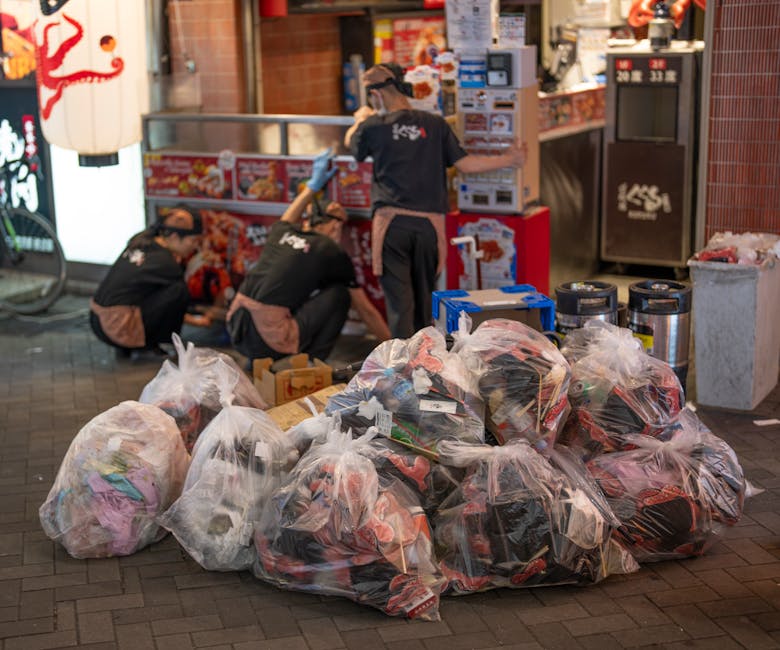
Commercial waste removal in Hackney needs a practical approach that keeps premises clear, separates recoverable materials where possible and handles different waste streams with care. Our service is built around commercial clearance for workplaces, retail units, hospitality premises and shared buildings, with collections planned to suit the type of waste and the amount to be moved. The aim is straightforward: remove unwanted material cleanly, keep disruption low and leave the space ready for normal use again.
We deal with routine business waste as well as bulkier items that need careful loading and sorting. That can include mixed office rubbish, packaging, fixtures, outdated stock, shelving, appliance items and general non-hazardous commercial waste. Where items need separating before removal, we can organise the work so that recyclable material is kept distinct from waste that must be disposed of differently. Clear handling, sensible loading and tidy clearance matter just as much as the final collection.
If you are planning a one-off clearance or regular support for a trading space, start with the type of waste, the access available and the amount that needs moving. You can ask for a quotation once you have a simple list of items or a rough description of the job. For a fuller breakdown of the work, see our business waste removal service, then use the information below to judge which clearance route fits your premises best.
Business premises and trade waste
Trade waste is rarely just a bin collection. Offices, workshops, shops and restaurants often produce mixed items that need sorting before they can be taken away, especially when there are containers, archive material, packaging, broken furniture and end-of-life equipment in the same area. We can clear these loads from working premises without turning the job into a larger upheaval than necessary. The service is suitable when the waste has built up in storage rooms, back offices, stock areas or customer-facing spaces that need to be returned to a cleaner state.
Some jobs are best tackled as a planned removal with an agreed loading route and a clear sequence for moving items out. Where that helps, it is useful to identify any heavy objects, narrow stairways or items that need dismantling first. A short description is usually enough to prepare the work; photos can help, but a basic inventory is often more useful because it shows the mix of materials. Keep the focus on what needs removing, not on a long explanation. Simple, accurate details make it easier to match the collection to the task.
For businesses that want a cleaner internal reset, the service can be combined with the removal of assorted office items, stock or domestic-style contents from staff areas. If you need to compare different kinds of clearance, our pages on office clearance and furniture clearance explain two common parts of that work in more detail. If the job is ready to go, you can now request a quotation and describe the waste you want cleared.
Office clearances and workplace equipment
Office clearances usually involve more than a simple rubbish pickup. Desks, chairs, cabinets, screens, small electrical items, filing material and mixed packaging can all be part of the same project, and they often need moving from different rooms or floors before the space can be used properly again. We remove workplace items in a way that supports orderly access, with attention to what can be taken out whole and what may need a little preparation first. The result should be a tidier office with the waste removed in one planned visit.
Where equipment is being replaced, it is sensible to separate what can be reused, what needs recycling and what is ready for disposal. That is especially relevant with office furniture and older appliances, which can be awkward to shift if they are left mixed together. Our commercial waste removal work can handle those items alongside general clear-out material, so the process stays manageable. If you are clearing a larger office floor, we can also keep the loading sequence sensible, which helps reduce disturbance to staff and visitors.
For related workplace items, look at confidential shredding if paper records need secure handling before collection, and fridge and appliance removal if the job includes electrical or cold-storage equipment. Those pages cover distinct parts of a broader workplace clearance, while the main service here remains focused on removing commercial waste from the premises. If your office is ready for a clear price, ask for a quotation and list the items that need taking away.
Retail units, stock rooms and display changes
Retail environments often need clearance when displays change, stock becomes outdated or a back room has filled with packaging and broken fittings. In those settings, the removal task may include shop shelving, surplus boxes, damaged fixtures, unwanted promotional material and general waste that no longer serves the business. We can deal with the practical side of that work so the unit is left easier to manage and simpler to restock. The emphasis is on removing the right items without disturbing what still needs to stay in place.
It is often helpful to think about the order of removal before collection day. Items near customer entrances may need to go first, while heavier goods at the rear can be loaded afterwards once the route is clear. If anything is likely to need dismantling, mention that early so the work can be planned sensibly. The more clearly the waste is grouped, the easier it is to keep the collection efficient. A modest amount of preparation can save unnecessary handling later.
If your work includes general building debris from a shop refit, the page for builders waste clearance may also be relevant, especially where a contractor has left mixed offcuts and packaging behind. For broader removal needs, our waste removal service gives another overview of the types of waste that can be collected. Use those pages as a guide, then send us the details needed for a quotation.
Warehouses, storage areas and bulky loads
Storage rooms, workshops and warehouse corners can accumulate bulky waste gradually, especially where materials, pallets, packaging and damaged equipment are set aside for later attention. Commercial waste removal for these spaces needs to take account of size, access and the type of material involved. Some loads are straightforward mixed waste, while others contain awkward shapes, dusty items or objects that take up space without being especially heavy. We plan for that variety so the clearance stays controlled and practical.
In a storage or warehouse setting, the best approach is often to group items by category before the collection takes place. That may mean keeping cardboard separate from broken furniture, or separating reusable stock from waste that is going straight out. If the clearance includes shelving, pallets or packaging from a delivery area, say so in advance so the collection can be organised with the right vehicle space and loading sequence. Careful sorting helps avoid delays and reduces the chance of items being moved twice.
There may be occasions where appliance items or old chillers form part of the same load. In those cases, useful supporting information is available on fridge and appliance removal and hazardous waste disposal, provided the material fits the page descriptions and the exact item type is suitable. If the waste is ordinary commercial rubbish rather than specialist material, this service is the place to start. Please request a quotation when you are ready to move the load on.
What commercial waste removal can include
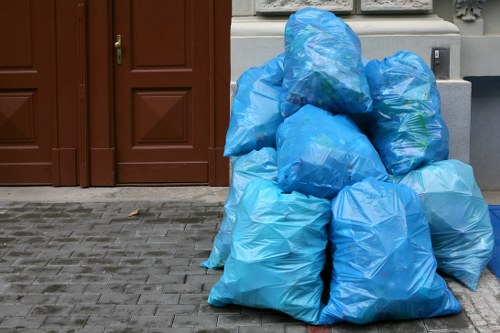
Commercial waste removal can cover a wide range of non-domestic items, but the exact mix always depends on what is being cleared. Typical collections may include office furniture, retail fittings, packaging, bagged rubbish, redundant stock, shelving, filing material and assorted items gathered during a closure, reorganisation or tidy-up. Where the waste is bulky, the main task is to move it safely and sensibly so the premises are not left cluttered or difficult to work in afterwards.
A useful way to prepare is to list the main categories rather than trying to catalogue every single item. For example, you might note furniture, paper waste, display items, appliances and loose rubbish. If there are objects that need to be dismantled, separated or moved from upstairs, mention that too. This kind of information helps shape the job without asking you to over-prepare. If you prefer, photographs can support the description, but they should not replace a plain explanation of what is there.
Some businesses also need specific disposal routes for items such as old mattresses, sofas or mixed domestic-style contents left in staff accommodation. When that happens, the service pages for mattress and sofa disposal and home clearance can help identify the closest fit. If the material is standard commercial waste, however, the simpler route is to ask for a quotation and describe the exact load.
How collections are usually planned
Planning matters because commercial clearances often involve working around access, trading hours and shared building rules. A sensible collection usually starts with the size of the load, the kind of items involved and whether anything needs extra handling. That may include stair access, loading restrictions or the need to move items from several rooms. We use that information to arrange the work in a way that keeps the process straightforward rather than overcomplicated.
The most useful details are often the simplest: what is being removed, where it is located and whether the items are loose, bagged or stacked. If the waste is coming from a basement, upper floor or rear yard, mention that too. A little planning can also help the person booking the job decide whether the clearance should be part of a wider tidy-up or handled as a separate collection. That decision is often based on access rather than volume alone.
For jobs that involve more than one type of waste, look through the supporting pages on garage clearance and loft clearance if the items have been stored away in tucked-in areas on the premises. Those pages are useful when you need to compare the nature of the load before making a request. Once you have the basics, you can ask for a quotation in plain terms and keep the arrangement focused on the work that matters.
About Hackney

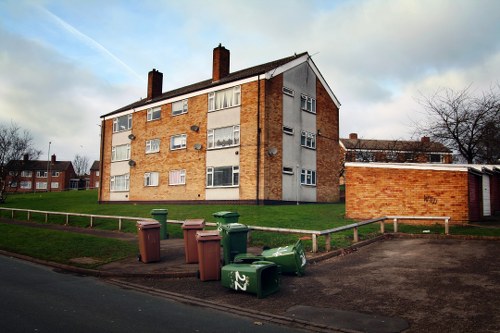
Hackney is a large and varied district in east London with a long history of settlement, industry and change. The name covers both the wider London borough and the central area that developed from older village origins into a dense urban district. The borough includes places such as Hackney Central, Dalston, Stoke Newington, Shoreditch fringe areas, Clapton and Homerton, each with its own character, street pattern and built environment. Much of Hackney’s identity comes from the layering of different periods: Georgian terraces, Victorian civic buildings, post-war housing, warehouse conversions and newer residential schemes sit within the same broad landscape. The borough has also been shaped by transport improvements, especially the arrival of the railway in the nineteenth century, which helped drive suburban growth and commercial activity. Today the area combines busy high streets, local markets, creative workspaces, parks and neighbourhood centres that feel distinct from one another even though they are closely connected. London Fields, Victoria Park and Hackney Marshes are among the best-known green spaces, while the Regent’s Canal corridor and the River Lea form important physical edges and routes through the wider district. Theatre, music, food culture and independent retail all contribute to the area’s present-day character, but the built environment still tells a deeper story through surviving churches, estate layouts, former industrial sites and civic landmarks. That mixture of old and new gives Hackney a strong sense of place and makes it one of London’s most recognisable east-side districts.
If you would like a quotation for commercial waste removal in Hackney, send the main details of the load and the access available. A clear description helps keep the arrangement simple and lets the right service be matched to the waste you need cleared. You can also use the supporting information on our service pages to compare related removal types before you decide.
Clearance for offices, shops and mixed business spaces
Mixed business premises often need a combination of services rather than a single narrow clearance. An office above a shop, a studio with storage at the back or a workspace with changing equipment can all generate different waste streams at once. Our commercial waste removal service is designed to bring those together into one workable collection, so the premises are not left half-cleared or awkwardly arranged. The aim is to keep the task practical from start to finish.
When a site contains both furniture and general waste, it is often sensible to remove the larger items first and then clear the loose material afterwards. That approach helps keep routes open and makes the final load easier to organise. If the job also includes items linked to a move-out or refurbishment, you may want to compare the relevant service pages before booking. The more precisely the waste is identified, the more accurate the quotation is likely to be.
Useful supporting pages include flat clearance and house clearance where staff accommodation or mixed-use premises contain domestic-style items, and recycling and sustainability if you want to read more about material handling within the broader service range. If the collection is ready to be arranged, the next step is simple: request a quotation and tell us what needs to go.
Materials, sorting and disposal choices
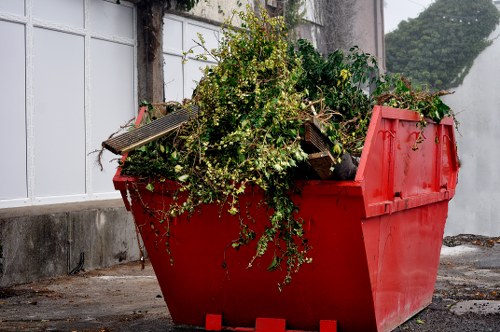
Not every commercial load should be treated in the same way, which is why sorting matters. Cardboard, furniture, electrical items, bagged rubbish and building-related offcuts all behave differently once they leave the premises. Some items can be grouped together without difficulty, while others need a more careful route because of size, composition or disposal rules. We work with those distinctions in mind so the collection reflects the nature of the material rather than forcing everything into one simple category.
Where the load contains mixed items, the most useful decision is often whether anything should be separated in advance. For example, paperwork may need to be dealt with differently from ordinary rubbish, and appliance items may need to be listed separately from furniture. A small amount of preparation can make a large difference to the clarity of the quote and the smoothness of the clearance. If you are unsure how to describe the waste, begin with the main object types and the overall amount.
For business owners who are comparing options, the service pages for pricing and quotes and book online may be useful next steps. Those links can help you move from a general plan to a specific request without making assumptions about the job. If the waste is ready to be removed, ask for a quotation and we can help with the practical details from there.
Booking the work and moving forward
Once you know what needs clearing, booking is usually a matter of matching the scope of the job to the available access and timing. Commercial waste removal works best when the collection details are clear enough to avoid guesswork, but not so complicated that the request becomes hard to follow. If the load includes heavy items, awkward access or a mixture of materials, mention that early and keep the description direct. That is usually enough to prepare a sensible response.
For many businesses, the cleanest way to proceed is to gather a simple list of items, decide whether any grouping is needed and then request a quotation for the full job. If the premises contain specialist waste, related removal pages can help you narrow the scope before you book. The key is to describe what is there honestly and plainly so the service matches the work in front of you. Clarity at the start tends to keep the rest of the process straightforward.
When you are ready, please request a quotation for commercial waste removal in Hackney and send over the main details of the clearance. If you need to check supporting information first, use the service pages above, then come back once the waste list is clear and the next step is obvious.