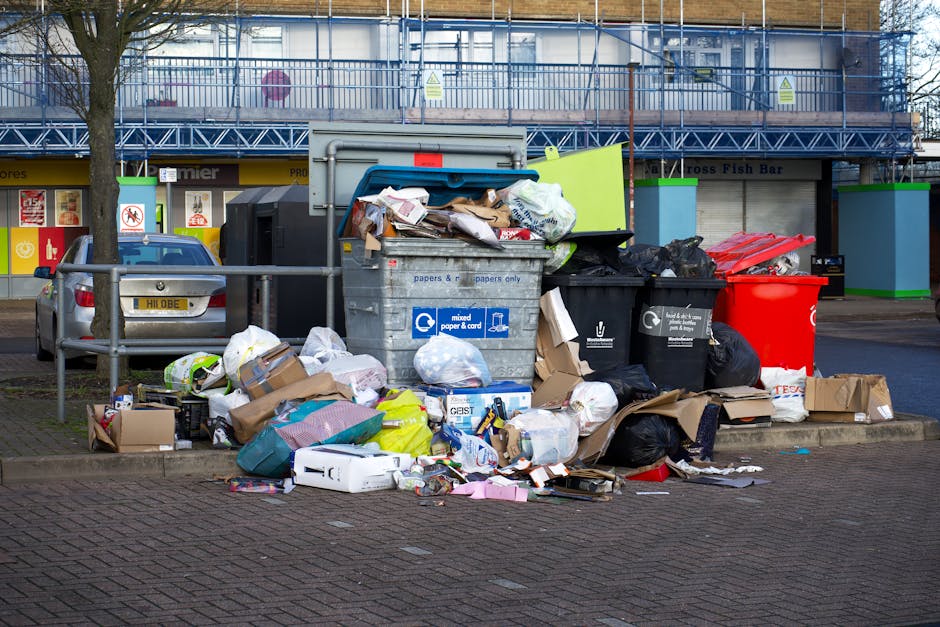
Avoid hidden costs in Hackney rubbish clearance quotes

If you have ever compared rubbish clearance quotes and thought, "That looks fine... but why does it feel a bit too good to be true?", you are not alone. Hidden charges can creep in through access fees, loading time, extra labour, disposal surcharges, and vague wording that leaves you exposed later. This guide on how to avoid hidden costs in Hackney rubbish clearance quotes will help you read a quote properly, ask the right questions, and choose a service with your eyes open. Simple, really - but the devil is in the detail.
Whether you are clearing a flat, an office, a garage, or a building site in Hackney, the goal is the same: a fair price, no nasty surprises, and a service that does what it says on the tin. Let's get into it.
- Why hidden costs matter
- How quotes work
- Benefits of transparent pricing
- Who this is for
- Step-by-step guidance
- Expert tips
- Common mistakes
- Tools and resources
- Compliance and best practice
- Comparison table
- Real-world example
- Checklist
- Conclusion
- Frequently asked questions
Why Avoid hidden costs in Hackney rubbish clearance quotes Matters
Waste clearance is one of those services where the headline price can be misleading if it is not properly broken down. A cheap quote might look appealing on a busy weekday morning, especially when the hallway is full of old furniture and you just want the job done. But if that quote excludes stairs, waiting time, bulky items, or specific disposal routes, the final bill can land much higher than expected.
In Hackney, that matters even more because properties often come with practical complications: narrow streets, tight parking, upper-floor flats, shared entrances, and limited loading space. None of that is unusual. But it does mean a company should quote carefully, not vaguely. A transparent rubbish clearance quote protects your budget, your schedule, and frankly your peace of mind.
There is also a trust issue. If a business cannot explain its pricing clearly, what else might be loose? Waste removal is a physical service, sure, but it is also a service built on expectation management. You want to know what is included before a van pulls up outside.
Expert summary: the safest quote is rarely the cheapest one on paper; it is the one that spells out exactly what happens if access, volume, item type, or timing changes on the day.
How Avoid hidden costs in Hackney rubbish clearance quotes Works
A proper rubbish clearance quote should be based on a few core variables. Most of the time, pricing comes down to the type of waste, the amount of waste, how easy it is to remove, and where it needs to go for disposal or recycling. The clearer those details are at the outset, the less room there is for awkward add-ons later.
What a clear quote usually includes
At minimum, you would expect a decent quote to explain:
- the type of waste being removed
- estimated volume or load size
- whether labour for lifting and carrying is included
- any charges for difficult access, stairs, or no parking nearby
- disposal, recycling, and transport costs
- charges for specialist items, if relevant
- VAT or whether the price is stated inclusive of it
Some firms use load-based pricing. Others quote by item, by cubic yard, or by a minimum collection fee. None of those methods are inherently bad. The problem starts when the pricing model is not explained plainly. If you have to play detective to find out what is included, that is a red flag.
For example, a quote for a single sofa removal can be straightforward. But if that sofa is on the fourth floor, through a narrow stairwell, and there is no lift, the labour element becomes more relevant. Same item, different job. That is why context matters.
Where hidden costs often appear
Hidden charges tend to show up in the awkward bits. You might see wording like "subject to inspection," "additional costs may apply," or "from only" - all of which can be perfectly legitimate, but only if they are followed by a real explanation. Common extras include:
- extra labour once the crew arrives
- surcharges for heavy or awkward items
- fees for hazardous or restricted waste
- waiting time if access is blocked
- parking or congestion-related delays
- minimum charge adjustments for small loads
Truth be told, many of these are not hidden in a dishonest sense. They are just not always made obvious enough. That is why asking one or two clarifying questions can save you a surprisingly large amount of money.
Key Benefits and Practical Advantages
Being careful with quotes is not just about avoiding a bad experience. It can also help you make better decisions overall. Once you know what to look for, comparing services becomes much easier and a lot less stressful.
- Budget control: you can plan properly without sudden add-ons eating into the total.
- Fair comparisons: you compare like with like, not headline prices that hide different assumptions.
- Better communication: clearer quotes usually mean better service coordination on collection day.
- Less disruption: no awkward negotiations at the kerbside or after the van is loaded.
- More confidence: you know what to expect, which makes the whole process calmer.
There is also a practical benefit that people sometimes overlook: clear pricing often reflects better operational discipline. A company that takes the time to assess the job properly is often the one most likely to turn up prepared. That matters when you are clearing a property that has been left half-packed, or dealing with mixed waste after a refurb.
And yes, a transparent quote can sometimes save you from overpaying for services you do not actually need. If your job is a small one, you should not be paying as though the entire contents of a building are being removed. Sounds obvious, but you would be surprised.
Who This Is For and When It Makes Sense
This advice is useful for anyone arranging rubbish clearance in Hackney, but some people will feel the benefit more than others.
Homeowners and tenants
If you are clearing out a house, flat, loft, garage, or a pile of unwanted furniture after a move, hidden charges can quickly spoil an otherwise tidy budget. A landlord handover, end-of-tenancy clear-out, or spring clean can look simple on the surface and become a bit messy once access and item type are considered.
For larger residential jobs, services like house clearance, flat clearance, loft clearance, and garage clearance may be relevant, because the type of property affects the price structure.
Landlords, agents, and property managers
If you are coordinating clearance between tenancies or after a property has been vacated, clarity matters even more. You need dependable scheduling, precise costs, and minimal back-and-forth. A quote that looks cheap but keeps changing is a headache nobody needs.
Businesses and offices
Office moves, equipment disposal, and confidential material removal can involve different handling requirements. If the waste includes paperwork, storage units, desks, electronics, or IT furniture, ask whether the quote reflects the actual scope of the job. Sometimes a service such as office clearance, business waste removal, or even confidential shredding may fit better than a generic rubbish collection.
Builders and trades
Construction and refurbishment waste can be heavy, dusty, and more time-sensitive than people expect. Bricks, timber, plasterboard, tiles, and mixed rubble often need a separate pricing approach. If you are planning after a job on site, look carefully at builders waste clearance and ask how the company handles mixed loads.
Step-by-Step Guidance
Here is a straightforward way to reduce the risk of hidden charges before you commit.
- Describe the waste clearly. List item types, approximate volume, and any awkward pieces. A quick phone description can help, but photos are often better.
- Mention access issues early. Tell the company about stairs, basement locations, shared entrances, narrow hallways, parking limits, or long carries. This is where people get caught out.
- Ask what the quote includes. Labour, loading, disposal, recycling, VAT, waiting time, and specialist handling should all be clear.
- Check how extras are charged. If the crew finds more waste than expected, will the price change by a fixed amount or be re-assessed? You want the method explained before collection day.
- Confirm item-specific exclusions. Certain items may require separate handling, such as appliances, mattresses, or potentially hazardous waste.
- Request the total expected price in writing. A written summary is often enough. It does not need to be fancy. Just clear.
- Read the terms carefully. Not every charge is a hidden fee; sometimes it is in the small print. Still worth reading.
- Compare at least two or three quotes. That gives you a feel for the market and helps you spot anything odd.
A tiny but useful habit: ask the question, "What would make this price change on the day?" If the answer is confident and specific, good. If it turns into a blur of maybes, that is telling you something.
Expert Tips for Better Results
Over time, the best way to avoid hidden costs is to become a sharper buyer. Nothing dramatic. Just a little more deliberate.
Tip 1: Use photos whenever possible
A few photos from different angles often reveal more than a rushed explanation over the phone. Stairs, item size, and the amount of waste are easier to assess visually. That alone can reduce pricing disputes later.
Tip 2: Separate what can be reused, recycled, or disposed of
If some items are reusable and others are not, mention it. Services that think in terms of recovery and recycling, like recycling and sustainability, may be able to offer more appropriate handling where suitable.
Tip 3: Be precise about awkward items
A mattress, sofa, fridge, or broken appliance is not just "one item" in pricing terms. Different items have different handling, transport, and disposal implications. If relevant, ask about mattress and sofa disposal or fridge and appliance removal instead of assuming the base price covers everything.
Tip 4: Don't let urgency override clarity
Yes, sometimes you need the rubbish gone today. Fair enough. But even then, you should still take 60 seconds to confirm the total and the inclusion list. Rushing is how people end up grumbling over an invoice later.
Tip 5: Look for clear payment terms
How and when you pay matters. If a quote is vague about payment timing, deposits, card charges, or VAT treatment, check the provider's payment and security information before booking.
Common Mistakes to Avoid
Most costly mistakes are pretty mundane. That is the annoying part. They are avoidable, but only if you slow down enough to notice them.
- Choosing the cheapest headline figure: the lowest number is not always the best value.
- Not mentioning access issues: this is one of the biggest causes of revised quotes.
- Forgetting about item type: a mixed load is rarely priced the same as a few light household items.
- Assuming labour is included: always ask.
- Ignoring the small print: the exact details that matter are often there, just not shouting at you.
- Not asking about special waste: hazardous or restricted items can change the job entirely.
Another common one: people compare a full-service rubbish removal quote with a skip price, then assume they are identical. They are not. Different services work differently. If you are trying to understand what can go into a skip, a page like what can go in a skip can help you separate the options before you spend money the wrong way.
And here is the awkward truth - sometimes the problem is not the company, it is the description of the job. If you understate the waste, any quote can look wrong by the end. That is why upfront honesty saves everyone a lot of awkwardness.
Tools, Resources and Recommendations
You do not need special software to avoid hidden costs, just a sensible process. Still, a few simple tools help.
- Phone photos: probably the easiest and most effective "tool" for quoting.
- Room-by-room notes: useful if you are clearing a whole property.
- Simple item list: note sofas, mattresses, appliances, boxes, bags, and bulk waste separately.
- Written quote request: a brief email or message helps keep everyone aligned.
- Budget ceiling: decide your maximum spend before you start comparing.
If your job involves a specific type of clearance, it helps to review the matching service page so you understand the scope better. For example, home clearance, furniture clearance, garden clearance, and waste removal each suggest a slightly different kind of job, and that can shape pricing.
If you want a fuller look at how a provider frames pricing, the pricing and quotes page is the most obvious place to check. That said, do not rely on page headings alone. Read the wording closely. The useful part is usually in the details.
Law, Compliance, Standards, or Best Practice
For waste collection in the UK, the compliance side matters because rubbish is not just "stuff to get rid of." It has to be handled responsibly, with proper disposal routes and attention to safety. You do not need to become a compliance expert yourself, but it is sensible to know the broad picture.
Best practice usually means a provider should be clear about how waste is handled, whether recycling is considered, and how any special items are treated. If a job involves fragile materials, bulky appliances, or anything potentially hazardous, you should expect caution rather than guesswork. For example, items that may contain chemicals, refrigerants, sharp edges, or contamination risks need more care than a bag of old clothes.
For customers, the safest approach is to ask whether the provider can explain its handling process in plain English. You do not need a lecture. Just enough detail to feel comfortable. If you are dealing with potentially risky waste, hazardous waste disposal should be treated as a specialist matter, not folded casually into a standard quote.
It is also sensible to look for signs that a company takes operational standards seriously. Pages such as health and safety policy, insurance and safety, and about us can help you gauge whether the business appears organised and transparent. That is not a guarantee, of course, but it is a good clue.
Options, Methods, or Comparison Table
Different clearance approaches suit different jobs. Here is a simple comparison to help you judge which route is least likely to leave you with surprise costs.
| Option | Best for | Watch out for | How hidden costs appear |
|---|---|---|---|
| Quoted rubbish clearance | Mixed loads, awkward access, quick collection | Labour, access, item type | Changes after arrival if the job was described too loosely |
| Skip hire | Longer projects, predictable waste streams | Permit needs, skip size, prohibited items | Extra charges for overfilling or restricted waste |
| Item-based removal | Single items or very small loads | Minimum charge, stairs, heavy items | Small job surcharges or access fees |
| Specialist clearance | Offices, builders' waste, appliances, sensitive materials | Handling requirements, disposal route | Specialist waste adds complexity if not declared early |
If you are unsure which route is best, think about the shape of the job rather than just the price. A skip can be excellent for a controlled renovation. A direct collection may be better for a flat full of mixed items and no parking outside. The "right" choice is the one that matches the situation cleanly. Simple as that.
Case Study or Real-World Example
Here is a realistic example from the kind of job that causes confusion. A couple in Hackney are moving out of a two-bedroom flat on a busy street. They have an old wardrobe, a broken bed frame, several bags of clutter, and a sofa that will not fit down the stairs in one piece. The first quote they receive looks low and reassuring. Nice. Then the provider mentions that the price may change once the crew assesses access, item weight, and whether dismantling is needed.
That is not necessarily a bad quote. It is just incomplete.
They then take photos of the staircase, the hallway, and each item. The second company gives a clearer estimate, explains what is included, and sets out what would trigger a price change. The final cost is a bit higher on paper, but it does not jump unexpectedly on the day. More importantly, the crew arrives prepared, the clearance is done in one visit, and the couple can move on without the faintly ridiculous stress of arguing over a van load at 6 p.m.
The lesson? A transparent quote can look more expensive at first and still be the better deal. What you want is certainty, not a bargain-shaped headache.
Practical Checklist
Use this checklist before you accept any rubbish clearance quote in Hackney.
- Have I described the waste accurately?
- Have I mentioned stairs, parking issues, or tight access?
- Do I know exactly what the quote includes?
- Have I checked whether VAT is included?
- Have I asked how extra labour or extra volume is charged?
- Have I flagged any special items such as fridges, mattresses, sofas, or hazardous waste?
- Have I requested the price in writing?
- Have I compared the quote with at least one other provider?
- Have I read the terms and payment information?
- Am I comfortable that there will not be a surprise charge on collection day?
If you can tick those off, you are in a much stronger position. Not perfect. But stronger. And that counts.
Conclusion
To avoid hidden costs in Hackney rubbish clearance quotes, focus on clarity, not just price. Describe the waste properly, be upfront about access, ask what is included, and get the terms in writing. Those few extra minutes up front can save you money, stress, and a lot of back-and-forth later.
It is really about buying certainty. When a quote is honest and specific, you can make decisions with confidence, whether you are clearing a flat, an office, a garage, or a full property. And that kind of calm is worth a lot on a busy day in Hackney.
Get a free quote today and see how much you can save.
Frequently Asked Questions
What are hidden costs in rubbish clearance quotes?
Hidden costs are extra charges that are not obvious from the headline price. They often relate to labour, access, heavy items, disposal complexity, or changes in the amount of waste collected.
How can I tell if a Hackney rubbish clearance quote is genuine?
A genuine quote is usually specific. It should explain what is included, what could change the price, and whether VAT and labour are part of the figure.
Should I send photos before getting a quote?
Yes, if possible. Photos help the provider assess item size, access, and collection difficulty more accurately, which usually means fewer surprises later.
Is the cheapest rubbish removal quote always the best value?
Not usually. A very low quote can leave out essentials, which may make it more expensive once extras are added. Value depends on the full cost and service clarity.
Why do access issues change the price?
If items need to be carried down stairs, through narrow hallways, or over long distances from the van, the job takes more time and labour. That can legitimately affect pricing.
Do I need to mention appliances or mattresses separately?
Yes. Large or specialist items can involve different handling and disposal requirements, so they should be declared before the quote is confirmed.
Can I avoid surprise charges by agreeing a fixed price?
Often yes, provided the job is described accurately. A fixed price is most reliable when the waste type, volume, and access details are clear from the start.
What should be included in a rubbish clearance quote?
Ideally the quote should include collection, loading, disposal, recycling where relevant, and any clearly stated additional charges such as special item handling.
Are hazardous items more expensive to remove?
They can be, because hazardous waste needs more careful handling and disposal. It is best to raise this early rather than assume it is covered in a standard quote.
What if the company finds more waste on the day?
That depends on the provider's policy. A good company will explain in advance how extra waste is priced, so you are not left negotiating on the doorstep.
How do I compare rubbish clearance quotes properly?
Compare what each quote actually includes, not just the headline number. Look at labour, access assumptions, item restrictions, and whether the final figure is inclusive of VAT.
Where can I learn more about pricing and service options?
The most useful starting point is the provider's pricing and quotes information, along with the relevant service page for your type of clearance.
A clear quote is a small thing, really. But when you are staring at a pile of unwanted stuff and trying to keep life moving, small things matter more than people admit.