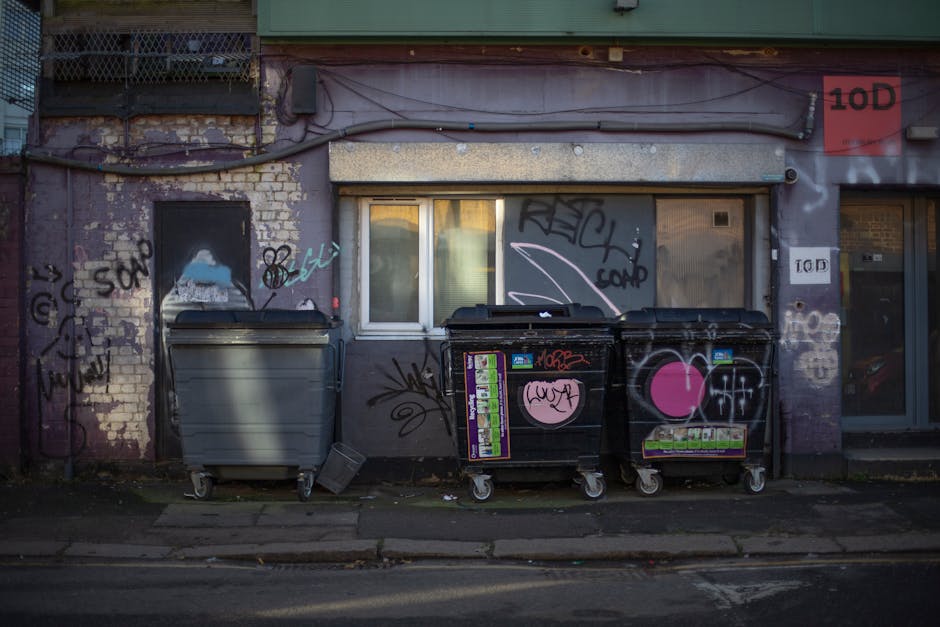
Hackney rubbish removal guide for Mare Street flats
If you live in a Mare Street flat, you already know the odd little headaches that come with getting rid of rubbish: narrow stairwells, shared entrances, parking that disappears when you need it most, and the constant question of where that old sofa is supposed to go. This Hackney rubbish removal guide for Mare Street flats is here to make the whole thing feel manageable. Whether you are clearing one bulky item, a post-renovation mess, or a full flat's worth of clutter, the right approach saves time, stress, and in many cases a fair bit of money.
Truth be told, the difference between a smooth clearance and a frustrating one often comes down to planning. In this guide, you will find practical steps, local considerations, common mistakes, and the sort of small-but-important details that are easy to miss when you are staring at a hallway full of bags at 7pm on a Wednesday.
Table of Contents
- Why Hackney rubbish removal guide for Mare Street flats matters
- How Hackney rubbish removal guide for Mare Street flats works
- Key benefits and practical advantages
- Who this is for and when it makes sense
- Step-by-step guidance
- Expert tips for better results
- Common mistakes to avoid
- Tools, resources and recommendations
- Law, compliance, standards, or best practice
- Options, methods, or comparison table
- Case study or real-world example
- Practical checklist
- Conclusion
- Frequently asked questions
Why Hackney rubbish removal guide for Mare Street flats Matters
Mare Street sits in a busy part of Hackney, and flats in the area tend to come with the same familiar obstacles: limited space, shared access, busy pavements, and neighbours who will notice if a pile of rubbish hangs around too long. A good rubbish removal plan matters because it protects your time, your building, and your sanity. Let's face it, nobody wants to become the person whose old mattress blocks the landing for two days.
For flat dwellers, rubbish removal is not just about making things look tidy. It affects fire safety, trip hazards, pest risk, and how easily your building can keep communal areas usable. If your rubbish includes heavy furniture, awkward appliances, or renovation waste, the job becomes more than a simple bag-and-bin task. It needs a method.
There is also the local practical side. In a dense street like Mare Street, timing and access can be everything. If a clearance team cannot park nearby or carry items down stairs without damaging walls, the whole process slows down. Planning around those constraints is the difference between a quick removal and a small saga.
Expert summary: For Mare Street flats, rubbish removal works best when you sort items early, separate specialist waste, check access before booking, and choose a clearance method that matches the size and type of rubbish rather than simply the cheapest headline option.
How Hackney rubbish removal guide for Mare Street flats Works
In practice, rubbish removal for a flat usually follows a simple pattern. First, you identify what needs to go. Then you decide whether it is general waste, bulky items, furniture, appliances, or something more specialised. After that, you arrange a collection method that fits the amount of rubbish and the access situation.
For a single flat, the service might be straightforward. A team arrives, carries items out carefully, loads them, and disposes of them through the appropriate waste route. For larger clearances, the process may involve sorting items by type, estimating volume, and making sure the route from your flat to the vehicle is workable. If a lift is available, great. If not, stairs and tight corners become part of the plan. Not glamorous, but real life rarely is.
Many Mare Street residents also use rubbish removal alongside flat clearances, furniture disposal, or appliance removal when they are moving out, refurbishing, or simply having a long-overdue sort-through. Services like flat clearance and furniture disposal are often the most relevant starting points for that kind of job, especially where bulky items are involved.
If your waste includes a broken fridge, washing machine, or another heavy appliance, it is worth treating it as a separate category rather than letting it hide in the general pile. Special handling is often needed. The same goes for anything hazardous. A mixed pile can look simple from a distance, but once you start lifting it, the differences matter.
Key Benefits and Practical Advantages
The most obvious benefit is time. You do not have to make multiple trips to a tip, wrestle with awkward items on public transport, or wait around for a mate with a van who is suddenly too busy. A professional clearance approach keeps the job moving.
There are some less obvious advantages too:
- Cleaner communal areas: rubbish leaves faster, so hallways, stairs, and entrances stay usable.
- Less physical strain: heavy lifting is no joke, especially on narrow staircases.
- Better sorting: recyclable and reusable items can often be separated more effectively.
- Lower risk of damage: trained teams know how to move bulky pieces without banging walls, doors, or banisters.
- Less decision fatigue: once you know what is going, the rest becomes much easier.
There is also a peace-of-mind angle. A flat full of clutter can make everything feel bigger than it is. Remove the rubbish, and suddenly the room breathes again. The place looks calmer. You notice the light, the floor space, even the acoustics a bit. Oddly satisfying, that.
For larger or mixed loads, it can also be useful to explore general waste removal or other related services such as furniture clearance if the job is more than just bags of junk. Matching the service to the waste is what makes the process efficient.
Who This Is For and When It Makes Sense
This guide is useful for a wide range of people living in or managing Mare Street flats. If you are moving out, moving in, doing a spring clean, clearing a rental property, or getting rid of items after a renovation, you are in the right place. It also helps landlords, letting agents, and property managers who need a tidy, reliable clearance process without a lot of back-and-forth.
It makes sense to arrange rubbish removal when:
- you have bulky furniture that will not fit in bins;
- you are dealing with an end-of-tenancy clear-out;
- you have accumulated waste after decorating or repairs;
- you are replacing old appliances or soft furnishings;
- the communal area needs to be cleared quickly and respectfully;
- you want to avoid multiple DIY trips and the hassle that comes with them.
Sometimes people wait until the pile is truly ridiculous. You know the one: a chair, a lamp, some boxes, a broken hoover, a mystery bag nobody wants to open. If that sounds familiar, a proper clearance is probably the right next step.
For homes that need a bigger reset, a wider service like home clearance may be more appropriate. If the job involves a whole property or a more substantial move, house clearance can be the better fit. The key is not to squeeze a big task into the wrong box.
Step-by-Step Guidance
Here is a practical way to handle rubbish removal in a Mare Street flat without turning it into an all-day ordeal.
- Walk through the flat room by room. Make a quick list of what needs to go. Focus first on bulky items and anything awkward to carry.
- Separate waste types. Keep general rubbish apart from furniture, appliances, confidential paper, and anything potentially hazardous.
- Check access carefully. Measure doorways, think about stair turns, and note whether the lift is working. Small details matter more than people expect.
- Decide what needs specialist handling. Fridges, sofas, mattresses, and certain construction materials often need a more specific disposal route.
- Choose the right removal method. A few sacks may not need the same setup as a full flat load. Match the service to the job.
- Prepare the items. Flatten boxes, remove loose contents, and make items safe to carry if needed.
- Clear a route. Move obstacles from hallways and entry points before the team arrives.
- Confirm collection details. Make sure timing, access, and any building rules are all understood in advance.
- Check the result. Once the rubbish is gone, look around for missed items and make sure the area is left tidy.
A small note here: if you are throwing away mixed renovation debris, it is often wise to treat it separately. For example, plasterboard, timber, and packaging can be very different in how they are handled. If your project has involved repairs or refurb work, builders waste clearance may be the more suitable route.
Expert Tips for Better Results
Over time, a few habits make rubbish removal noticeably easier.
First, sort before you book. Even a rough sort helps. If you know exactly what needs to go, the collection can be planned more efficiently. You do not need to spend a whole afternoon colour-coding boxes like some sort of overzealous office project. Just be sensible and direct.
Second, protect the building. In a flat, tight corners and stair edges can get scuffed quickly. If you are moving items yourself before collection, use blankets or cardboard where practical.
Third, keep hazardous items out of mixed waste. Things like chemicals, paints, batteries, and some electrical items should be handled with care. If in doubt, use a service that understands hazardous waste disposal.
Fourth, think about timing. Early mornings can be calmer for access, but building noise rules, neighbour routines, and parking realities all play a role. A short, well-timed visit often works better than a longer, messy one.
Fifth, ask how reusable items are handled. Some furniture may still have life left in it. If that matters to you, it is worth making that clear up front. Sustainability is not just a nice extra; it usually means less waste overall.
If your load includes a sofa, a mattress, or a mix of old lounge furniture, specialised disposal routes can save a lot of faff. See mattress and sofa disposal if that is part of your job.
Common Mistakes to Avoid
People usually get into trouble with rubbish removal in a flat for a handful of predictable reasons. The good news is that they are easy to avoid once you know them.
- Leaving sorting too late: if everything stays in one giant pile, collections take longer and costs can rise.
- Ignoring access issues: a van may be booked, but if there is nowhere to stop, the job becomes awkward fast.
- Mixing specialist waste with ordinary rubbish: this creates disposal problems and can delay clearance.
- Forgetting building rules: some flats have restrictions on collection times, loading, or communal access.
- Assuming everything can go together: not all waste streams are treated the same way.
- Choosing only on price: the cheapest option is not always the smoothest or safest option.
One surprisingly common issue is underestimating volume. A flat can feel small, but once you gather up stored junk from cupboards, under-bed space, and the back of the wardrobe, the pile grows quickly. Fast. Almost rudely.
Another mistake is forgetting documents or confidential material. If you are clearing a home office corner, paper records should be treated separately, which is where confidential shredding becomes useful.
Tools, Resources and Recommendations
You do not need a full toolkit to manage rubbish removal, but a few simple items help a lot.
- Heavy-duty bags: better for loose rubbish, textiles, and smaller mixed waste.
- Labels or sticky notes: useful for marking items to keep, donate, or remove.
- Gloves: basic protection for sorting dusty or sharp-edged items.
- Measuring tape: very handy for checking whether furniture can come through doors or down stairs.
- Blankets or corner protectors: useful if you are moving items through tight shared areas.
- Phone photos: simple, but useful when requesting a quote or explaining access issues.
For people who are unsure how much waste they actually have, a photo-based estimate is often the easiest place to begin. If you are comparing options, the page on pricing and quotes can help you think through what information is worth having ready.
There are also some cases where the waste itself determines the route. Fridges, for example, are not like cardboard boxes, and old appliances should be handled separately. For those jobs, look at fridge and appliance removal. If you are cleaning out a garage or a dusty storage corner, garage clearance may also be relevant, even for flat residents who have inherited a shared storage space or basement area.
If you want to understand what can and cannot go together in a load, what can go in a skip is a useful reference point, even if you are not actually hiring a skip. The same basic waste-separation logic still applies.
Law, Compliance, Standards, or Best Practice
Waste disposal in the UK is not something to treat casually. In plain English: rubbish should be handled by a responsible route, and anyone carrying waste should be able to show it is being dealt with properly. You do not need to become an expert in waste law to clear a flat, but you should understand the basics.
Best practice usually means the following:
- waste is sorted sensibly before removal;
- hazardous or specialist items are separated;
- items are collected and transported safely;
- there is a clear disposal route rather than a vague promise to "get rid of it";
- the process avoids blocking communal access or creating fire hazards;
- reusable or recyclable materials are diverted where possible.
For landlords and managing agents, there is also a practical duty of care around keeping communal areas clear and making sure clear-outs do not disrupt other residents. That may sound obvious, but in a shared stairwell it matters a great deal. One bad clearance can create complaints quickly.
It is sensible to review provider information such as health and safety policy, insurance and safety, and recycling and sustainability if you want a clearer picture of how a responsible service approaches the job. Those pages do not replace legal advice, of course, but they do help you judge whether a provider takes the work seriously.
Options, Methods, or Comparison Table
There is no single best rubbish removal method for every Mare Street flat. The right choice depends on the amount, type, and urgency of the waste. Here is a simple comparison to help you decide.
| Method | Best for | Pros | Trade-offs |
|---|---|---|---|
| Self-carry to bins | Very small amounts of light waste | Cheap, immediate, simple | Time-consuming, unsuitable for bulky items, limited by bin space |
| Van-based rubbish removal | Mixed household waste, furniture, bulky items | Fast, flexible, less lifting for you | Requires access planning and a suitable loading spot |
| Flat clearance service | End-of-tenancy, large declutters, full-room clearances | More comprehensive, less hassle, efficient for larger loads | May be more than you need for just a few bags |
| Specialist disposal | Appliances, mattresses, hazardous items, sensitive material | Better compliance and safer handling | Requires item-specific planning |
For many flats, the sweet spot is a combined approach: clear what you can easily sort, then book a collection for the bulky or awkward remainder. That gives you control without forcing you to do the heavy lifting alone.
If your clearance job is tied to moving, upgrading furniture, or emptying a whole room, you may also want to look at furniture clearance and flat clearance as practical alternatives to a one-size-fits-all rubbish removal call.
Case Study or Real-World Example
Imagine a one-bedroom flat off Mare Street with a mix of old boxes, a broken chair, two bags of general rubbish, an under-counter fridge, and a mattress that has been leaning against the wall for weeks. On paper, it looks like a straightforward clear-out. In reality, it is a bit fiddly.
The resident starts by sorting the small waste into bags and moving them to one corner of the lounge. The chair and mattress are grouped separately, and the fridge is kept away from everything else because it needs specialist handling. A quick check of the stair route reveals one awkward turn on the way down and a very narrow landing. So the items are arranged in the right order for removal, with the fridge last to avoid clogging the route.
The end result is simple but satisfying: no repeated trips, no confusion about what goes where, and no damage to the walls. A job like that can feel overwhelming when you first look at it, but broken down properly it becomes very workable. That is really the whole point of a good rubbish removal plan.
For a bigger job, the same logic applies, just on a larger scale. If the flat has been fully emptied after a move or refurbishment, a broader service such as home clearance or even loft clearance can be the better fit if storage areas are included too.
Practical Checklist
Use this before you book or before the team arrives.
- Identify all rubbish, bulky items, and specialist waste.
- Separate furniture, electronics, and general household waste.
- Remove anything you want to keep from drawers, cupboards, and boxes.
- Check stair access, lift availability, and parking constraints.
- Measure large items if you are unsure they can exit easily.
- Set aside hazardous or sensitive items for separate handling.
- Clear hallways and doorways where possible.
- Take photos if you want a more accurate estimate.
- Confirm timing, access notes, and any building rules.
- Keep an eye out for missed items after collection.
If your flat includes old soft furnishings or mixed living-room clutter, it may be worth pairing this with mattress and sofa disposal rather than trying to bundle everything together blindly.
Conclusion
Rubbish removal in Mare Street flats does not need to be stressful. Once you understand the access issues, separate the waste properly, and choose the right removal method, the job becomes much more predictable. That is usually what people want most: less faff, less lifting, and a clear flat at the end of it.
The best approach is simple. Start early, sort sensibly, and think about the practical realities of your building before the rubbish pile starts to set the mood for the whole week. A clean, uncluttered flat feels lighter in a way that is hard to describe until you have done it. You open the door, look around, and suddenly the place feels like yours again.
Get a free quote today and see how much you can save.
If you are ready to move from planning to action, you can also explore book online when it suits you, and review payment and security for extra peace of mind before confirming anything.
Frequently Asked Questions
What is the easiest way to remove rubbish from a Mare Street flat?
For most flats, the easiest option is to sort the waste first, separate bulky items from general rubbish, and use a clearance service that can handle stairs, tight access, and mixed loads in one visit.
Can I leave rubbish in the communal hallway?
Usually, no. Leaving waste in shared areas can create safety issues, block access, and annoy neighbours. It is better to keep everything inside the flat until collection day unless building management has given clear instructions.
Do I need a special service for furniture disposal?
Yes, often you do. Furniture can be awkward, heavy, and difficult to move through flat entrances. A dedicated furniture disposal or furniture clearance service is usually the sensible choice.
What happens if I have a fridge or washing machine to remove?
Appliances are best handled separately because they are heavy and may need specialist disposal. Fridge and appliance removal is usually more appropriate than mixing them into a general rubbish pile.
How far in advance should I book rubbish removal?
If your access is simple, a short notice booking may be possible. But for flats on busy streets like Mare Street, it is smarter to book once you know the items, the access route, and any parking constraints.
Can rubbish removal help with end-of-tenancy clear-outs?
Absolutely. End-of-tenancy jobs are one of the most common reasons people arrange rubbish removal. If the whole flat needs clearing, a flat clearance service can be more efficient than a basic collection.
What should I do with hazardous waste?
Keep hazardous items separate and do not mix them with general rubbish. Paints, chemicals, batteries, and similar items need careful handling, so a proper hazardous waste disposal route is the safest option.
Is it worth sorting recyclables before collection?
Yes. It helps keep disposal cleaner, can improve recycling outcomes, and often makes the whole process simpler. Even a basic sort saves time later.
How do I know what will fit down the stairs?
Measure the item and the narrowest points on the route, including doorframes and stair turns. If you are unsure, take photos and share them before collection so the team can assess access properly.
What if I only have a few bags of rubbish?
If it is just a few bags, you may not need a full clearance. That said, if the bags contain mixed waste or awkward items, a small waste removal job may still be more convenient than several DIY trips.
Can I combine rubbish removal with a full flat clearance?
Yes, and in many cases that is the best way to do it. Combining the jobs can be more efficient when you are moving out, renovating, or clearing several rooms at once.
How can I keep costs under control?
Sort the rubbish beforehand, separate specialist items, and be clear about access. The more accurate the brief, the easier it is to avoid surprises. A little planning goes a long way, honestly.
If you want to understand the company behind the service before booking, take a look at about us and the complaints procedure so you know how things are handled if you ever need support.